
Unpuzzling
Human Nature, Society, and Democracy
Essays exploring the psychology of politics, polarization, and the forces shaping liberal democracy.
In an Age of Polarization, Why Are Democracies Struggling?
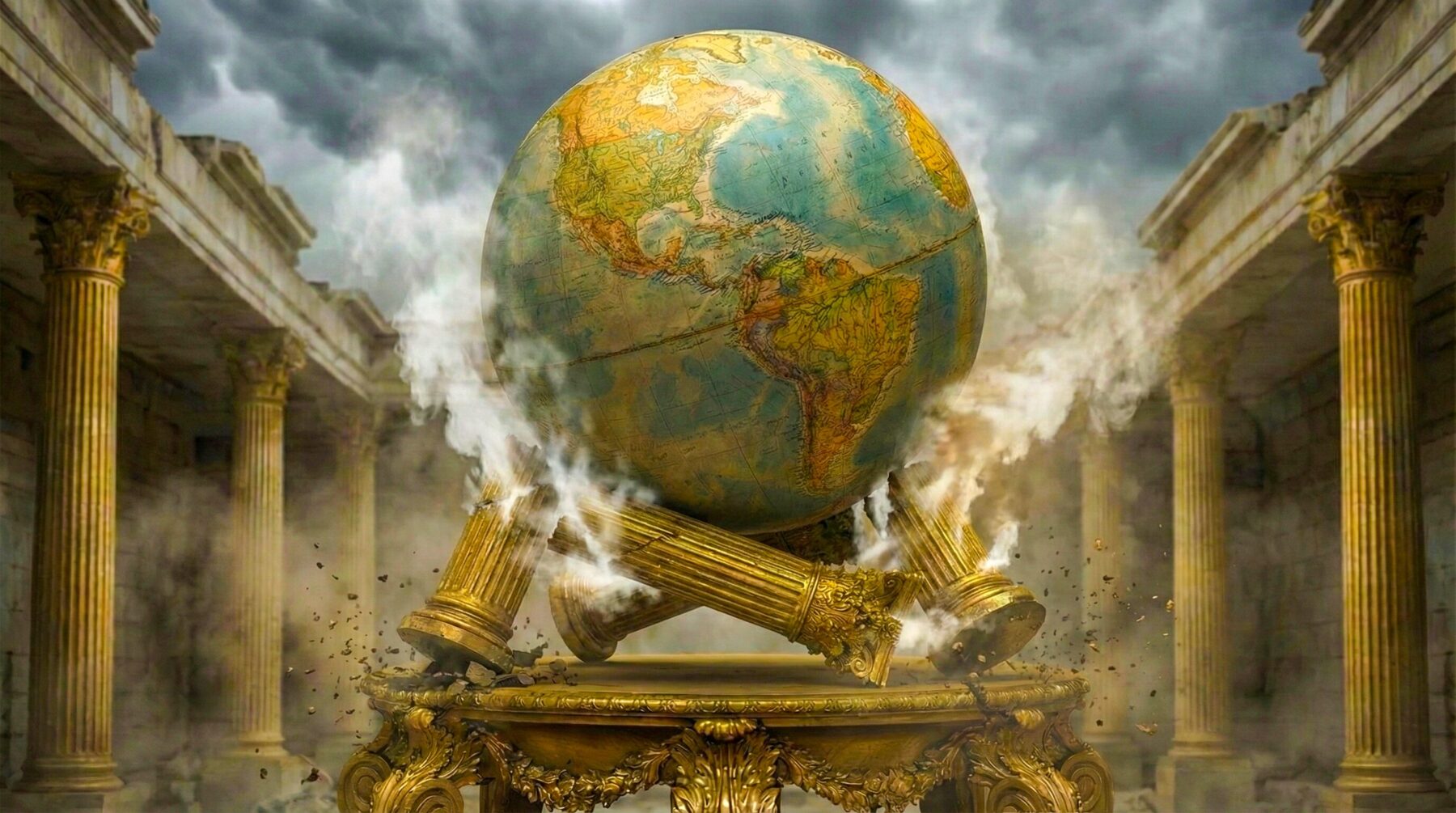
Open today's news. You'll likely find humanity at war with itself—polarized nations, widening inequality, and conspiracy theories spreading faster than facts. We've built artificial intelligence and decoded the human genome, yet we still demonize those who disagree with us. We've connected the globe through technology, yet we're more divided than ever.
Why?
My posts explore a fundamental paradox: While our technological and scientific progress races forward at breathtaking speed, our human nature—with its ancient fears, tribal instincts, and hunger for belonging—remains largely unchanged. As Albert Einstein observed, "What a sad era when it is easier to smash an atom than a prejudice.”

The Questions That Drive These Essays
My writing centers on two intertwined questions:
- How do our personal realities become social realities and vice versa?
- What drives the quality of our relationships across every scale—from intimate families to vast nations?
Through exploring these questions, I've developed what I call the adaptive living framework—a lens for understanding how we navigate between our need for stability and our drive for change. This framework isn’t entirely mine; I have grounded it in two related sciences: living systems and complex adaptive systems.

Understanding the Push and Pull of Human Nature
Here is a key insight into the nature of human behavior that I will develop in future posts. Some people lean toward stability, seeking solid ground and predictable patterns. Others lean toward change, craving novelty and transformation. When the winds shift—through economic upheaval, technological disruption, or social movements—we must constantly rebalance.
Lean too far toward stability, and we stagnate. Lean too far toward change, and we crumble into chaos.
This dynamic creates a recurring cycle in human affairs:
- Growth emerges from successful adaptation
- Stability follows when we find a temporary balance
- Disruption inevitably challenges that balance
- Renewal or decline depends on how we respond
But here's the crucial insight: This cycle isn't linear or predictable. Growth might collapse directly into decline. Stability might endure for generations. And always, our environment—physical, social, cultural—shapes the way we lean and whether we maintain our balance.
What You’ll Find on Unpuzzling
In this series of essays, we'll pull back the curtain on the complexities of human nature. We'll examine how individual psychology scales up to shape entire civilizations, and how civilizations in turn shape individual minds. We'll explore myths about progress and confront uncomfortable truths about our species.
You’ll find analyses of:
- Why liberal democracies experience cycles of stability and decline
- How fear, identity, and information drive political polarization
- How technology and AI amplify human biases
- How adaptive responses—rather than rigid ideologies—determine societal resilience
Most importantly, we'll develop practical ways to understand the turbulent times we're living through—not as unprecedented chaos, but as another turn in humanity's ongoing dance between stability and change, between our technological capabilities and our evolutionary inheritance.
I invite you to explore these topics:
Welcome to this exploration of life’s complexities. We will follow many paths that twist and turn.
Explore the essays and join a growing conversation about human nature, democracy, and the forces shaping our shared future.